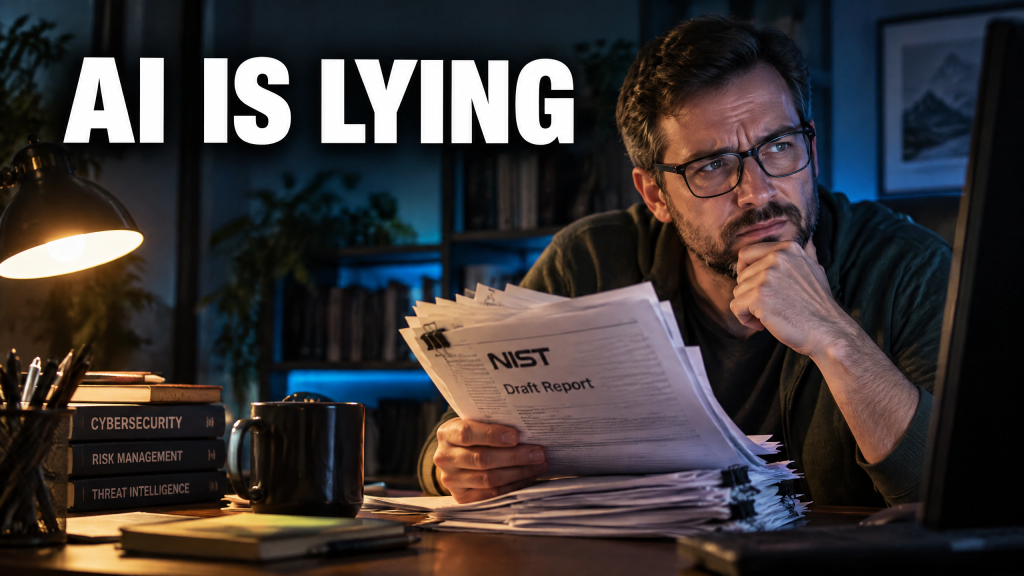
The advent of artificial intelligence (AI) has led to a new era of phone scams that are not only advanced but also highly sophisticated. Scammers can deploy realistic simulations to lure unsuspecting victims into divulging sensitive information or transferring money. In this article, we will delve into the inner workings of these scams and explore practical measures you can take to safeguard yourself against them.
So, how exactly do phone scams that rely on AI simulations operate? Scammers typically begin by placing a call through a real person or a computer-generated voice designed to sound human. They will then attempt to persuade you that they are a legitimate customer service representative representing a reputable organization, such as a bank or a government agency.
The fraudster will employ advanced AI technology to replicate the sound of a real person, including natural speech patterns, tone, and intonation. As a result, the voice on the other end of the line will sound like a genuine human, making it extremely challenging to differentiate between a real person and an AI simulation.
Once the scammer has gained your confidence, they will attempt to extract sensitive information, such as your bank account details, social security number, or other personal information. Sometimes, they may even persuade you to transfer money directly to them.
Why are these scams so effective?
Phone scams using AI simulations are so effective because they play on our natural human instincts to trust and believe in the good intentions of others. Scammers will use a variety of tactics to make themselves seem genuine and trustworthy, such as using official-sounding language, citing real company names and logos, or even creating fake websites to support their claims.
Using AI technology means that they can run these scams at a scale and speed that was previously impossible. Scammers can make thousands of calls daily using automated systems, making finding vulnerable individuals easier and extracting information or money from them.
How can you protect yourself?
Against AI simulations, you can take several steps to protect yourself from phone scams. First, never give out sensitive information over the phone unless you are sure you are speaking to a genuine organization representative. If you are in doubt, call the organization back using a trusted phone number.
It is also essential to be aware of scammers’ tactics to make themselves seem genuine. For example, if someone claims to be from your bank, ask them for their name and phone number, then hang up and call your bank back using a trusted phone number to verify their identity.
Finally, you can protect yourself by being vigilant of the latest phone scams. Keep updated with news and alerts about the latest scams, and share this information with your friends and family to help protect them too.
AI simulations are a terrifying recent development in the world of cybercrime. By staying informed and aware, you can protect yourself and your loved ones from falling victim to these sophisticated scams. Remember to be cautious and skeptical when receiving unsolicited phone calls, and never give out sensitive information.
Download our new mobile app, FRAUDSTER, available on Apple and Android. Stay informed by learning about consumer concerns. Visit www.FraudsterApp.com for more information. Already downloaded FraudsterApp? Click the icon on the home screen to access the training feature.