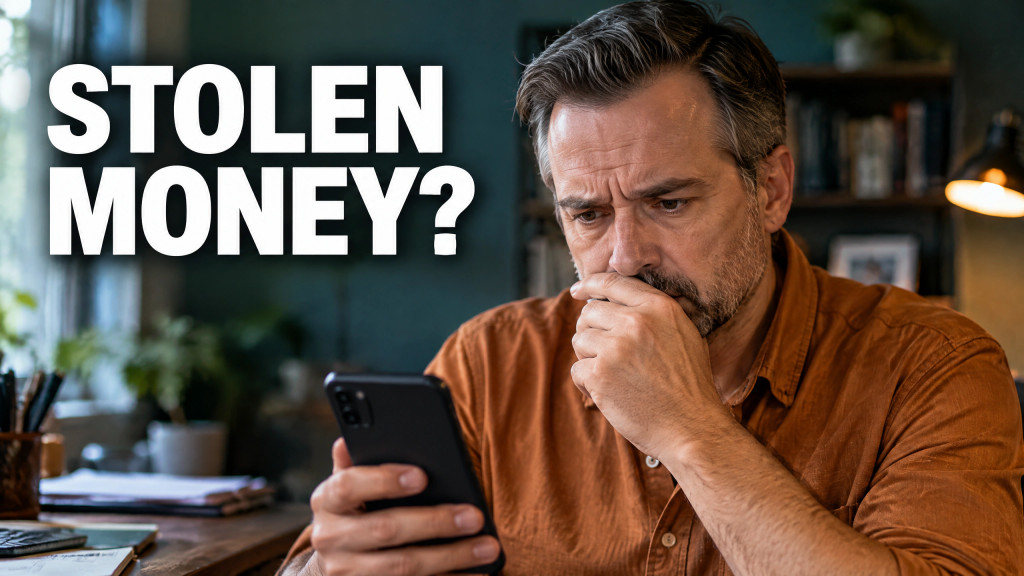
TL;DR: As Canadians move more of their lives online, banking scams are escalating at a similar pace, leaving devastating financial consequences. This week, a Sudbury couple reported losing more than $90,000 from their personal and business bank accounts.
Fraudsters had allegedly gained access to their banking information and used a personal token to add themselves to the business account. Large sums of money had disappeared. To safeguard, it’s essential to take well-targeted steps. To begin, educate yourself and your family on identifying common warning signs, such as suspicious emails or text messages. Second, by staying informed, you’ll be equipped to spot potential threats before they cause harm. Here is how to be on the lookout.
Banking Scams Dos
- ATM Vigilance: When using ATMs, inspect the machine for any signs of tampering or skimming devices. Cover the keypad when entering your PIN to prevent hidden cameras from recording your keystrokes. Regularly monitor your bank statements for any unauthorized transactions.
- Card Protection: Secure your physical debit and credit cards against scams; never share your card information. Then, use contactless payment methods or mobile wallets for added security when in-store or online transactions.
- Social Engineering Awareness: Avoid responding to unsolicited phone calls, emails, or messages that request personal or financial information. Meanwhile, verify the caller’s or sender’s identity before providing any sensitive information. Remember that legitimate banks will never ask you to disclose your whole account number or password over the phone or email.
- Security Software Installation: Install reputable antivirus and antimalware software on all devices to detect and prevent malware and other threats. Regularly update security software to ensure it remains effective against evolving cyber threats. This will help avoid any banking scams.
- Loan Scam Awareness: Individuals should be wary of unsolicited loan offers and to research lenders thoroughly before providing personal or financial information.
More Do’s and Preventions
- Always verify the legitimacy of bank officers through reputable sources, and avoid dealing with unfamiliar lenders over the phone or through text that want to access your account.
- Vishing and Number Spoofing Vigilance: I recommend verifying the caller’s identity through official channels when receiving calls from unfamiliar or suspicious numbers. Don’t be afraid to ask for verification or hang up and call back using a known, trusted number.
- Supplier Scams Prevention: To protect against banking scams, I encourage individuals to scrutinize invoices, contracts, and payment requests for any signs of irregularity. Verifying the authenticity of suppliers and payment requests through independent channels ensures their legitimacy.
Protect yourself from banking scams with the FRAUDSTER app. It offers real-time scam alerts, educational resources, and interactive training modules to keep you ahead of fraudsters. Available on both Apple and Android devices, it’s your ultimate tool for online security. Explore more at www.FraudsterApp.com. Are you already using FraudsterApp? Enhance your self-protection skills with just a tap on the training icon.
Cyology Labs can help you build a defence strategy that safeguards your business and future. That’s why having a strong cybersecurity partner by your side can be the ultimate weapon in your arsenal—partner with us to leverage advanced technology. Contact us today to schedule a no-obligation consultation at www.CybersecurityMadeEasy.com