Consumers are at risk of having their credentials and other data stolen through Quick Response codes. An old technology that’s found a new use in the hands-free payment practises of the global pandemic.
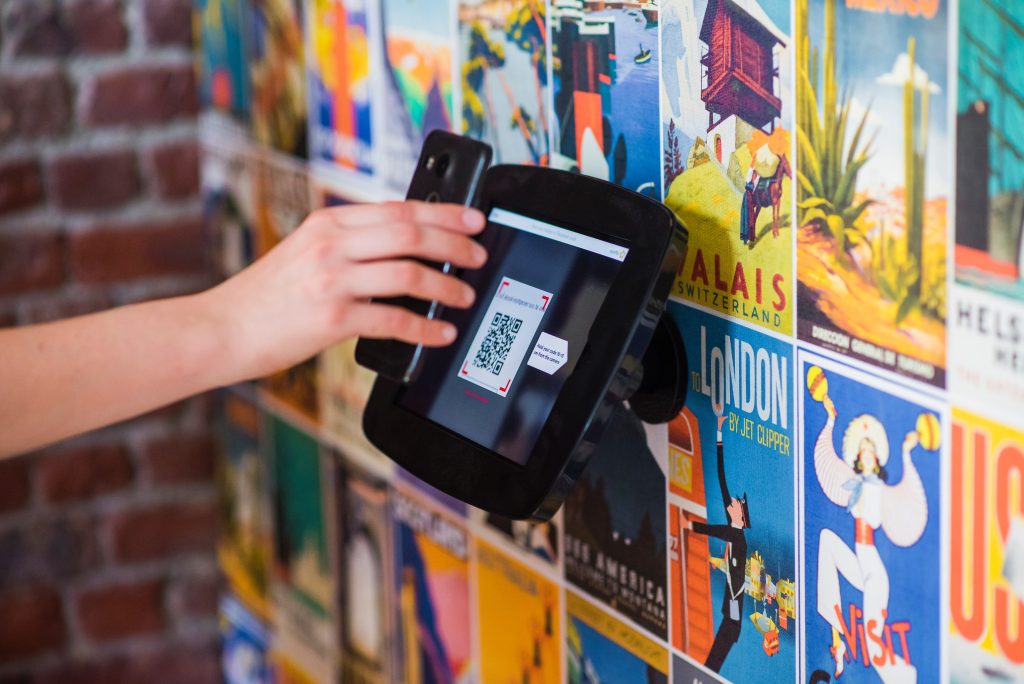
QR codes are machine-readable codes comprising black and white squares used for storing information to be read by a camera on a smartphone. QRs came into use in the mid-1990s.
Hackers begin by placing fake QR codes over legitimate ones. By pointing your smartphone at one of these fake QR codes. A hacker can scam you into visiting a phishing website, where you are encouraged to input your personal information. Scanning a phony QR code may also launch a payment app or open up a fake social media account.
As QR codes grow in popularity, especially in restaurants and stores, they are more popular for hackers—QR codes are beehives of personal information.
These codes are not only ideal for validating proof of COVID-19 vaccinations, but they are also ideal for a hands-free ordering experience at restaurants, stores, and venues. Point your camera and click for payments in parking garages, pharmacies, airports, and anywhere convenient for the customer and business owner.
In most Ottawa restaurants, for example, they expect you to scan a code to insert your contact data to contact you if there is a COVID outbreak.
How easy is it to be a victim of a phoney QR code?
Easier than you think or could believe. Your email, direct messages, in social media ads, and where ever QR codes show up. As we said, a hacker may have replaced an otherwise legitimate code with a fake one. Here are a few examples of where you could find these fake QR codes.
- Fake parking tickets on your windshield.
- We often find fake QR codes in flyers, fake email ads, and phony debt consolidation offers by mail.
- Fake Federal government websites.
- Airports, subways, train stations; where people are in a rush and need convenience shopping.
How to avoid being scammed by a fake QR code?
We should exercise the same precautions as with phishing emails—don’t open links or scan QR codes from strangers or businesses you don’t know.
- If you receive a bill with a Quick Response code to help you make more manageable payments. Double-check if the payment is legitimate and use your established bank to pay.
- Confirm before scanning any request from a friend—maybe someone has hacked them.
- Be cautious of locations where hackers can easily stick their own Quick response codes over legitimate ones.
Cyology labs are experts in installing mobile security across all your devices. Our team can keep you one step ahead of any QR scam.