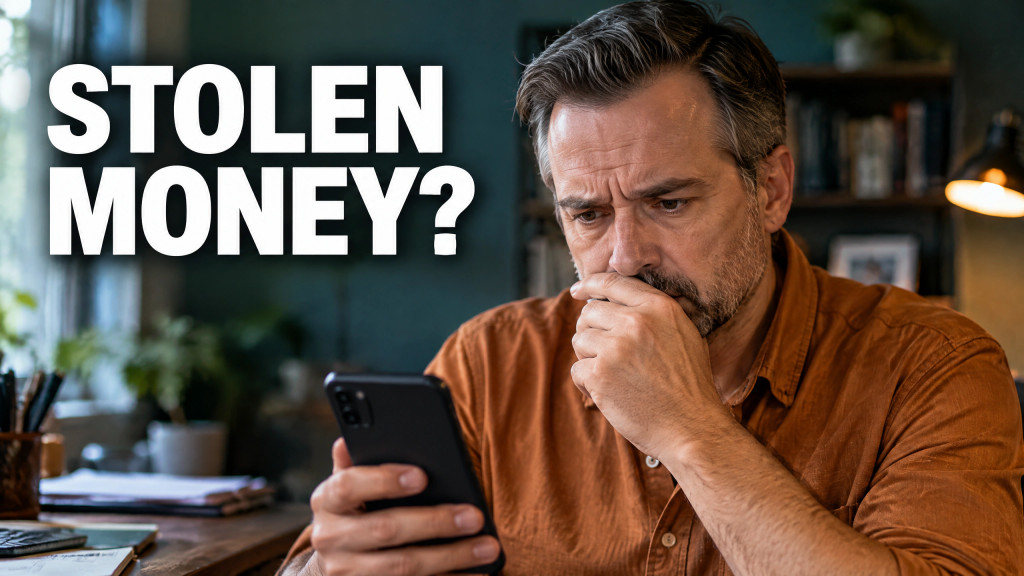
A West Australian woman buying property has lost more than $700,000 as a result of a property scam. She received a phishing email from someone claiming to be her agent, asking for a large bank deposit to seal the deal. The scammer pretended to be an employee of her agency. At the same time, the scammer impersonated that employee and requested a closing wire payment.
Unfortunately, once she sent the wire transfer, the scammer diverted the funds. As a result, $732,000 ended up in the scammer’s account.
As house prices rise, property settlement scams are increasing. According to the National Association of Realtors and FBI data, over 13,500 people were victims of real estate wire fraud in 2020, thereby accumlating $213 million in losses.
Typically, victims are individual homebuyers. In many cases, they are first-time home buyers. Unfortunately, a lost closing deposit can devastate any purchase. Apparently, the scammer attached what appeared to be authentic documents.
The scammers had hacked into the email communications between the homebuyer and the settlement agent. Impersonating a trusted party in a transaction is to get the victim to act on their instructions without question.
Protect yourself from a property scam
First, be sure to double-check the email addresses. Make a phone call.
Second, verify that everything in the email is accurate.
Third, if something feels off, like being asked to wire money, ask more questions.
Importantly, protect your accounts and change passwords. Use unique passwords.
Lastly, sign up for an identity theft alert service. Alert services warn you about suspicious activity.
You can report suspicious messages and instances of fraud and other cybercrimes to the Canadian Anti-Fraud Centre.